Healthy Food Access for Families
Updated: Dec 19, 2025
Access to healthy food is a fundamental right that every family should enjoy. Unfortunately, many families face barriers that prevent them from obtaining nutritious meals. At Bloom Up, we believe that everyone deserves access to fresh, healthy food options.
With limited time and money people in food deserts have, we wondered how best we can meet their daily nutrient and hunger needs without reliance on food-aid, corner store’s processed food or handouts.We took on ourselves to experiments on growing microgreens and sprouts for 8 weeks. We used different media, seeds, environments like on the window sill, island, refrigerator, and so on. Our quest to find easy to grow nutrient dense wholesome meals landed on sprouts and microgreens. It’s a super-food not just for the hungry but common people without relying on multi-vitamins and protein supplements.
Our next challenge was how we might use simple sprouts and microgreens kits which are easy to use and can be distributed to hundreds of people using the lowest funds. We put together a kit. In places like food deserts, where access to fresh food is limited, food sovereignty becomes super important. It’s about empowering people to make healthy decisions about their food and ensuring that everyone has the right to healthy, affordable food that reflects their culture and needs.
Through discussions with food desert experts, Dr. Hammelman, and our research, we found that lasting generational impact starts in childhood. Using www.GreatSchool.com, we identified 30 schools in Mecklenburg County with the highest concentration of impacted children. We then presented our ideas to the schools, gathered feedback, and refined our solution accordingly.
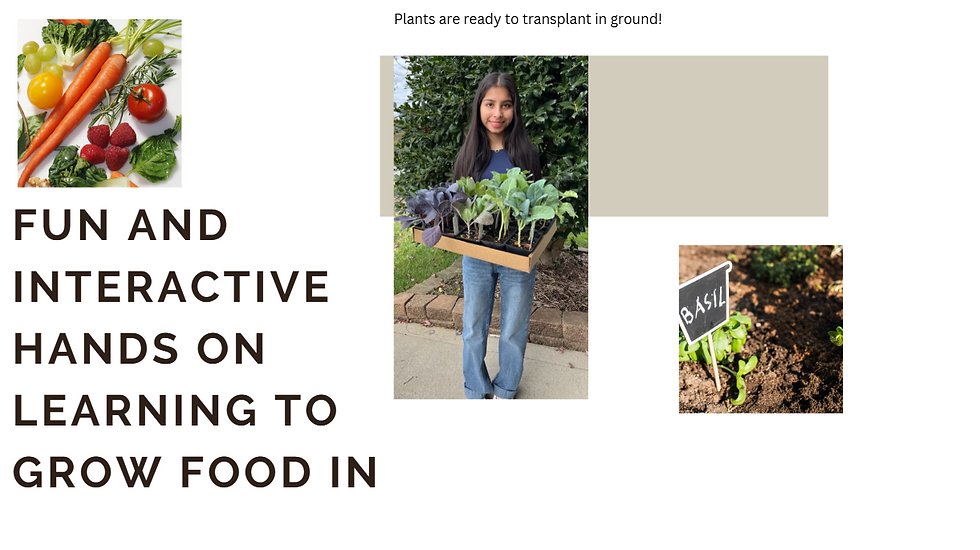
A key factor in sustainability is empowering students to take what they’ve learned beyond the classroom. By teaching them how to grow food at home with microgreens and simple gardening techniques, they develop lifelong skills that promote food security. Providing resources like take-home microgreen kits, instructional materials, and continued access to school gardens encourages students and their families to maintain these practices independently.
The relevance of our action plan lies in its focus on addressing food deserts and empowering youth with the knowledge to make healthier, more informed choices about nutrition, in addition to imparting skills to grow their own nutritious food at Charles H. Parker Academic Center (CHP).

The Importance of Healthy Food Access
Healthy food access is crucial for several reasons:
1. Improved Health Outcomes
Access to nutritious food directly impacts health. Families with limited access to healthy options often face higher rates of obesity, diabetes, and other chronic diseases. By ensuring that families can access fresh fruits, vegetables, and whole grains, we can help improve overall health and reduce healthcare costs.
2. Enhanced Learning and Development
Nutrition plays a significant role in children's development. Studies show that children who consume a balanced diet perform better academically and have improved cognitive function. When families have access to healthy food, they are better equipped to support their children's growth and learning.
3. Economic Benefits
Investing in healthy food access can lead to economic growth. Healthier populations are more productive, which can boost local economies. Additionally, when families spend money on fresh produce, it supports local farmers and businesses, creating a positive cycle of economic development.
Challenges to Healthy Food Access
Despite the clear benefits of healthy food access, many families face significant challenges:
1. Food Deserts
Food deserts are areas where residents have limited access to affordable and nutritious food. These areas often lack grocery stores, farmers' markets, and other sources of fresh food. Families living in food deserts may rely on convenience stores that offer limited healthy options.
2. Economic Barriers
The cost of healthy food can be prohibitive for many families. Fresh fruits and vegetables often cost more than processed foods, making it difficult for low-income families to prioritize nutrition. This economic barrier can lead to poor dietary choices and negative health outcomes.
3. Lack of Education
Many families may not know how to prepare healthy meals or understand the importance of nutrition. Without proper education, families may struggle to make informed choices about their diets. Programs that teach cooking skills and nutrition can help bridge this gap.
How Bloom Up is Making a Difference
At Bloom Up, we are committed to improving healthy food access for families. Here are some of the initiatives we offer:
1. Community Gardens
We establish community gardens in food deserts to provide families with access to fresh produce. These gardens not only supply food but also serve as educational spaces where families can learn about gardening and nutrition.
2. Nutrition Education Programs
Our nutrition education programs teach families about the importance of healthy eating and how to prepare nutritious meals on a budget. By empowering families with knowledge, we help them make better food choices.
3. Partnerships with Local Farmers
We partner with local farmers to create a farm-to-table network that connects families with fresh, affordable produce. This not only supports local agriculture but also ensures that families have access to high-quality food.
How You Can Get Involved
Joining Bloom Up is easy and impactful. Here are some ways you can help:
1. Volunteer Your Time
We are always looking for volunteers to help with community gardens, nutrition education programs, and events. Your time and skills can make a significant difference in the lives of families in need.
2. Donate
Financial contributions help us expand our programs and reach more families. Every dollar counts and goes directly towards improving healthy food access.
3. Spread the Word
Share our mission with your friends and family. The more people know about Bloom Up, the more support we can gather to help families access healthy food.
Success Stories
1. The Johnson Family
The Johnson family lived in a food desert and struggled to find affordable, healthy food options. After participating in our community garden program, they learned how to grow their own vegetables. Now, they enjoy fresh produce and have even started sharing their harvest with neighbors.
2. Local Schools
Several local schools have partnered with Bloom Up to implement nutrition education programs. Students learn about healthy eating and cooking, leading to improved dietary choices at home. Parents have reported that their children are more interested in trying new fruits and vegetables.
The Future of Healthy Food Access
The journey towards ensuring healthy food access for all families is ongoing. As we continue to grow and expand our programs, we remain committed to our mission. Together, we can create a future where every family has access to nutritious food.
Join Us Today
If you believe in the importance of healthy food access for families, we invite you to join Bloom Up. Together, we can make a difference in our communities and improve the lives of countless families.
Final Thoughts
Healthy food access is not just a privilege; it is a right that every family deserves. By addressing the challenges and supporting initiatives like Bloom Up, we can create a healthier future for everyone. Take action today and help us ensure that no family goes hungry.
By joining Bloom Up, you are not just supporting a cause; you are becoming part of a movement that values health, community, and empowerment. Let's work together to make healthy food accessible for all families.


Comments